November 20, 2026
A powerful storm can change a property in seconds. High winds, heavy rain, ice, and lightning can snap large limbs, uproot entire trees, and send them crashing onto roofs, vehicles, driveways, and power lines. When that happens, the situation can feel overwhelming. You may be worried about your family's safety, damage to your home, and how quickly you can get things back to normal.
Knowing what to expect during an emergency tree removal can make a stressful situation easier to manage. From recognizing a true emergency to understanding how professionals safely remove damaged trees and clean up the aftermath, a little preparation goes a long way. Here's a step-by-step look at the emergency removal process and how to protect your property along the way.
Recognizing a Tree Emergency
Not every fallen branch requires an urgent response, but some situations can't wait. A tree that has fallen on your home, garage, or vehicle is an emergency. So is a tree that's blocking your driveway or road, leaning heavily after a storm, or tangled in power lines. Large limbs that are cracked and hanging overhead, sometimes called hangers, can also fall without warning and pose a serious risk to anyone below.
Tree removal is one of the most common reasons property owners reach out to tree care providers. According to ConXPros, 43% of homeowners searching for tree services were specifically interested in removal. Many of those requests come after storms, when damaged trees suddenly become hazards. If a tree threatens people, structures, or access to your property, it's time to call for emergency tree removal services rather than waiting for a routine appointment.
Staying Safe Before Help Arrives
Your first priority after a tree falls is safety. Keep everyone, including children and pets, away from the damaged area. Never approach a tree that's touching or near power lines, since electricity can travel through branches and wet ground. Contact your utility company right away to report downed lines.
If a tree has struck your home, leave any rooms affected by the damage and check for signs of structural problems, gas leaks, or water intrusion. Avoid trying to cut or move the tree yourself. Fallen trees often hold tension in their trunks and branches, and cutting into them without training can cause sudden, dangerous movement. Taking photos of the damage from a safe distance can be helpful for insurance purposes later.
Making the First Call
When you contact a provider offering emergency tree removal services, be ready to describe the situation as clearly as possible. Let them know where the tree has fallen, how large it is, whether it's resting on a structure or vehicle, and whether power lines are involved. Mention any immediate dangers, such as a blocked exit or a roof that may be compromised.
This information helps the crew understand the urgency of your situation and bring the right equipment. Many emergency providers are available around the clock, but response times can vary after major storms when demand is high. Being clear and specific helps them prioritize the most dangerous situations first.
Assessing the Site and Hazards
Once the crew arrives, the first step is a careful assessment. Trained arborists will examine the tree, the surrounding area, and any structures involved. They'll look at how the tree fell, where its weight is resting, and which parts are under tension. They'll also check for nearby hazards such as power lines, fences, other weakened trees, and unstable ground.
This assessment determines the safest removal plan. In some cases, the tree may need to be removed in sections, starting from the top or the outer branches. In others, the crew may need to stabilize the tree before cutting. Rushing this step can lead to additional damage or injuries, which is why working with trained professionals matters so much in emergency situations.
Removing the Tree Safely
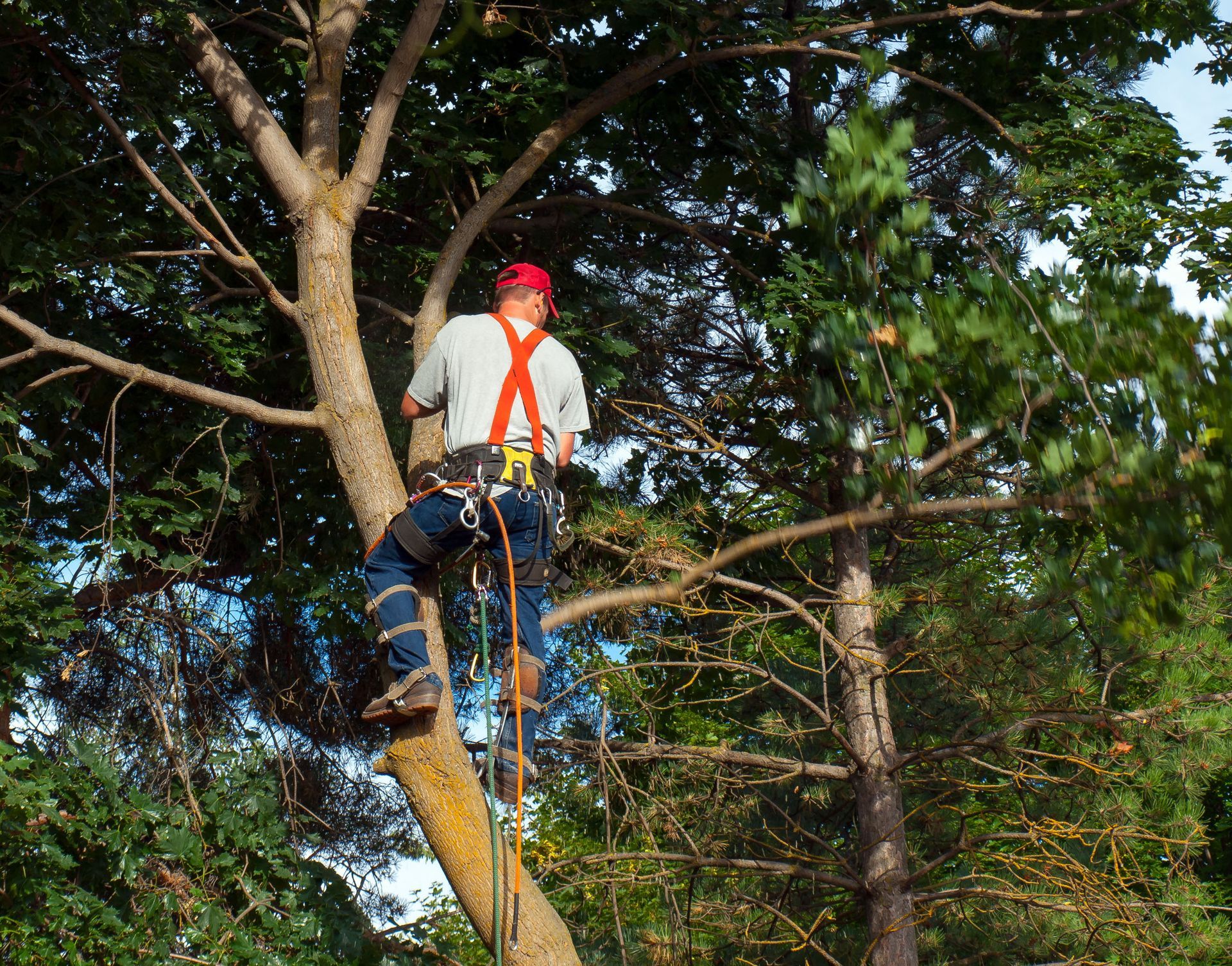
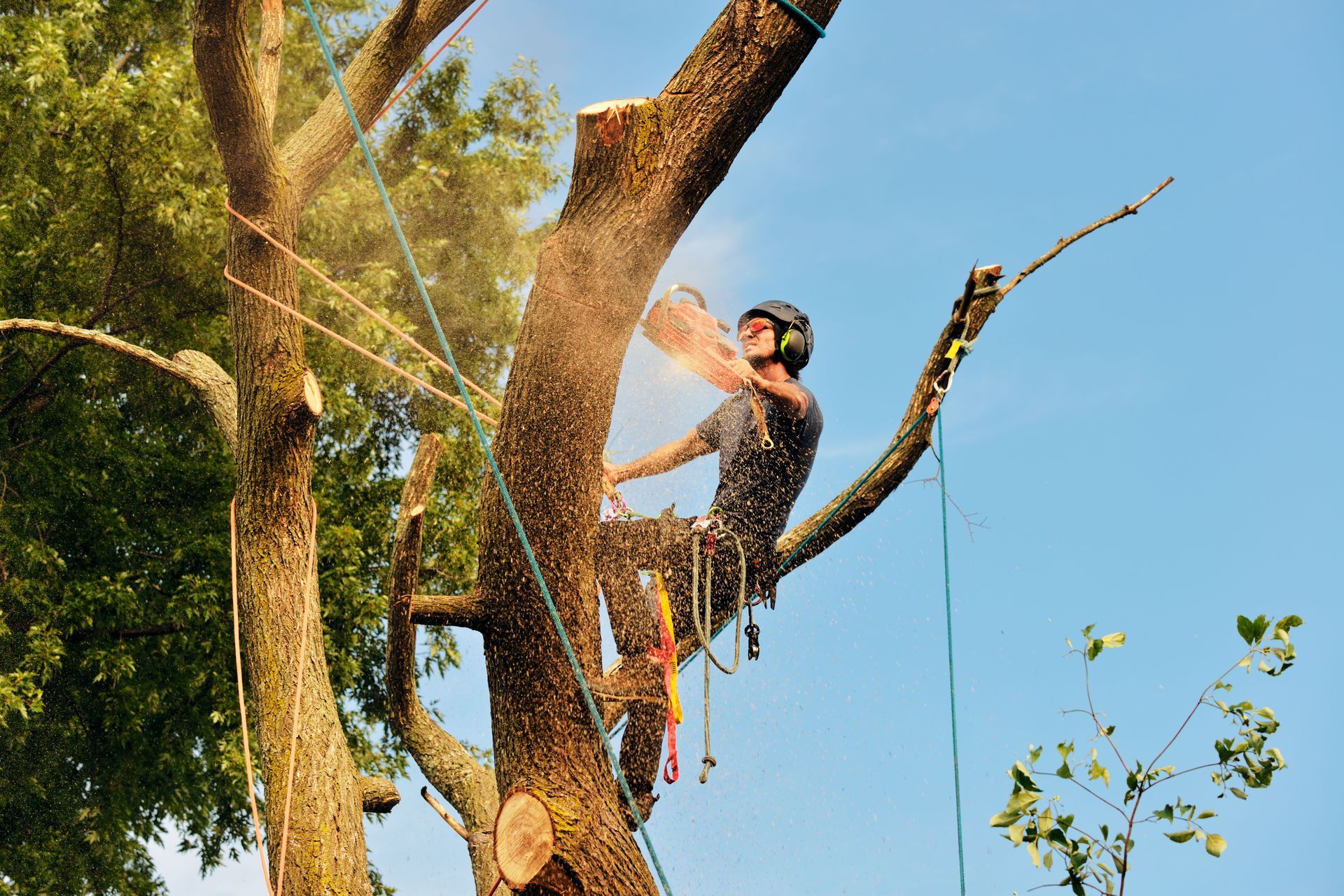
With a plan in place, the crew begins the removal process. They typically start by cutting away smaller limbs and branches to reduce the weight and make the trunk easier to manage. Ropes and rigging may be used to lower heavy sections carefully, rather than letting them drop onto your roof or yard. Each cut is made with the tree's tension and balance in mind.
When a tree is resting on a house, the crew works methodically to lift the weight off the structure without causing further damage. This careful approach helps protect your roof, siding, and windows. Professional tree removal services use specialized equipment and safety gear that homeowners typically don't have, allowing the job to be completed more quickly and with far less risk.
Cleaning Up Debris and Stumps
Once the tree is down and off any structures, cleanup begins. Storm damage often leaves behind a large amount of debris, including branches, leaves, wood chunks, and scattered limbs across the yard. A thorough crew will gather and remove this material so your property is safe and usable again.
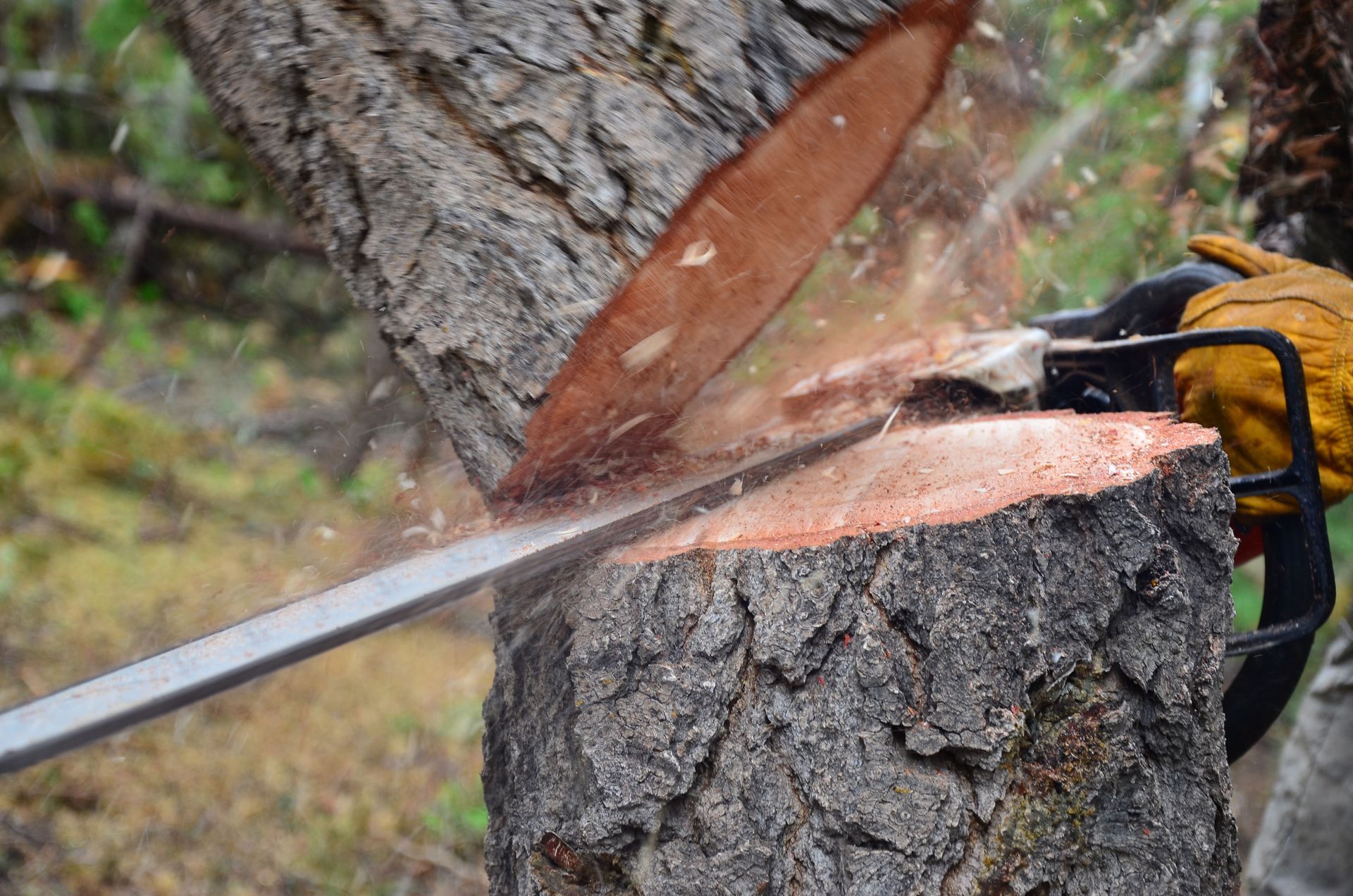
The stump is often the last piece of the puzzle. Leftover stumps can be tripping hazards, attract pests, and make it difficult to mow or replant. Stump grinding removes the stump below ground level, allowing you to fill the area with soil and restore the landscape. Ask whether stump grinding and full debris removal are included when you schedule tree removal services so you know exactly what to expect.
Reviewing Costs and Insurance Questions
Emergency removal costs can vary depending on the size of the tree, its location, the level of damage, and how complex the job is. A tree resting on a house generally requires more time, equipment, and care than one lying in an open yard. Requesting a clear, upfront quote helps you understand the costs before work begins.
If the tree damaged your home or another covered structure, your homeowner's insurance policy may help with some of the costs. Coverage varies by policy, so contact your insurance provider as soon as possible. Keeping photos of the damage, receipts, and documentation from the tree crew can make the claims process smoother.
Preparing for Future Storms
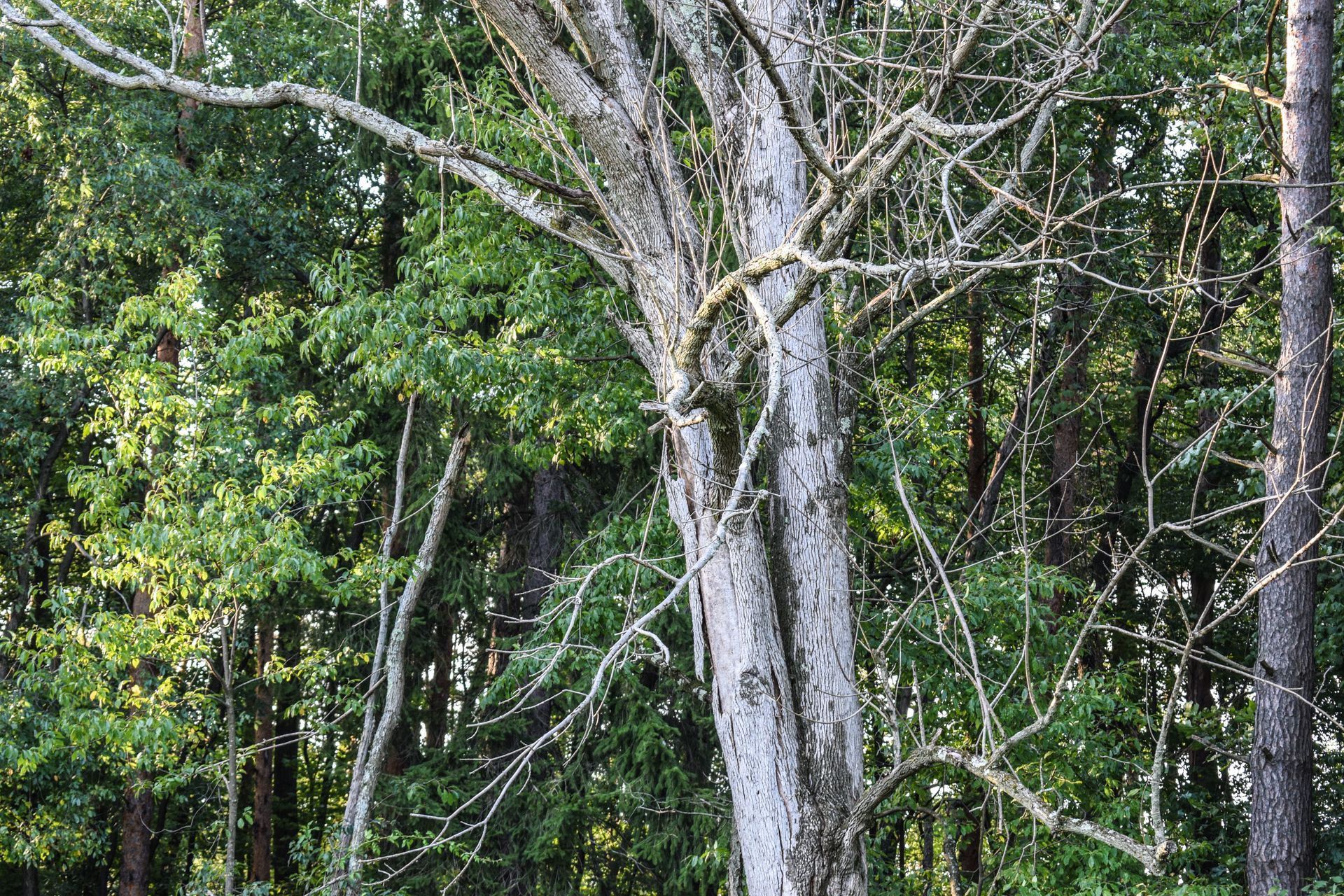
While you can't control the weather, you can reduce the chances of another emergency. Regular tree trimming and pruning remove dead, weak, or overhanging branches before storms bring them down. Having trees evaluated periodically can also help identify signs of disease, decay, or structural weakness that might make them more likely to fail.
Routine tree removal services for trees that are already dead or dangerous can prevent them from becoming emergencies later. Taking these proactive steps protects your home, your family, and the healthy trees you want to keep.
Getting Help When Every Minute Counts
Emergency tree removal can be stressful, but knowing what to expect makes the process far more manageable. From recognizing an emergency and staying safe to understanding how crews assess, remove, and clean up damaged trees, each step plays an important role in protecting your property. Working with trained professionals ensures the job is handled safely and efficiently.
When storms strike, having reliable emergency
tree removal services available can help you recover more quickly and with greater peace of mind.
If a fallen or damaged tree is threatening your property, we're ready to help. At R & A Tree Experts, we provide 24/7 emergency tree services, storm cleanup, tree removal, stump grinding, and tree trimming and pruning to keep your property safe. Contact us today for fast, reliable help when you need it most.