December 26, 2025
Trees play an essential role in shaping the character, safety, and value of residential and commercial properties. They provide shade, improve air quality, enhance curb appeal, and create a more welcoming outdoor environment. However, even the most beautiful trees can become problematic over time. When a tree's condition declines or its location becomes hazardous, tree removal may be the most responsible option.
Homeowners often delay action because trees feel permanent or sentimental, but ignoring warning signs can lead to costly property damage, safety hazards, and legal complications. Knowing when to act is key. Some warning signs are subtle, while others are obvious and demand immediate attention. Proactive property owners understand that timely tree removal is not about eliminating greenery but about protecting people, structures, and the long-term health of the landscape.
According to the National League of Cities, there are an estimated 5.5 billion trees in the urban forests of the United States. With so many trees integrated into developed environments, careful management becomes increasingly important. This guide outlines the most common and important indicators that it may be time to consider professional tree removal for your property.
1. Identify Physical Damage to the Tree
Visible cracks, splits, and structural wounds in a tree are often the first signs of serious trouble. These defects weaken the tree's ability to support its own weight and withstand environmental stress. Large vertical cracks in the trunk or major limbs may result from storms, lightning strikes, or internal decay that compromises structural integrity.
Leaning trees also fall into this category. While some trees naturally grow at an angle, a sudden or worsening lean often indicates root failure or soil instability. This type of shift can dramatically increase the likelihood of the tree falling, especially during strong winds or heavy rain. In many cases, tree removal is the safest solution once a tree's balance has been compromised.
Root damage is another serious concern. Exposed, severed, or decaying roots weaken a tree's anchor in the soil. Since roots are responsible for nutrient uptake and stability, extensive damage often means the tree can no longer safely remain in place. When physical damage affects multiple areas of the tree, professional evaluation frequently leads to tree removal as the most prudent course of action.
2. Observe Health Issues Within the Tree
A tree's overall health is reflected in its leaves, branches, and growth patterns. Diseased foliage, such as leaves that are discolored, spotted, curled, or falling prematurely, often signals deeper issues. While some diseases are treatable, advanced infections can spread throughout the tree and weaken its core structure.
Pest infestations are another red flag. Insects such as borers, beetles, and termites can hollow out wood from the inside, leaving the tree outwardly intact but structurally unstable. Signs such as exit holes, sawdust-like debris, or thinning canopies often indicate internal damage that is difficult to reverse. In these situations, tree removal is commonly recommended to prevent sudden failure.
Dead or dying branches also point to declining health. While isolated dead limbs can sometimes be pruned, widespread dieback suggests systemic problems. Excessive leaf drop outside of seasonal cycles and brittle wood that snaps easily further indicate that the tree is no longer thriving. When health issues become extensive, tree removal protects both the surrounding environment and nearby people.
3. Evaluate Environmental and Structural Risks
Trees do not exist in isolation; they interact constantly with buildings, utilities, and infrastructure. One of the most serious risks arises when trees grow too close to power lines. Branch contact can cause outages, fires, and dangerous electrical hazards. While trimming may offer temporary relief, ongoing conflicts often make tree removal the safest long-term solution.
Trees that interfere with sidewalks, driveways, foundations, or roofs also pose significant risks. Expanding roots can crack concrete and compromise building stability, while overhanging limbs may scrape roofs or siding during storms. These issues worsen over time, increasing repair costs and safety concerns.
Severe weather further amplifies these risks. Trees weakened by age, disease, or improper growth are far more likely to fail during storms. Falling limbs or uprooted trees can cause extensive property damage and personal injury. In high-risk locations, proactive tree removal can prevent emergencies before they occur.
4. Assess Proximity to Surrounding Properties
Tree placement plays a major role in determining risk. Trees located too close to property lines may extend branches or roots onto neighboring land, increasing the chance of disputes or liability issues. During storms, falling limbs can damage fences, vehicles, or buildings on adjacent properties.
Roots that spread into underground plumbing or sewage systems are another concern. Trees naturally seek moisture, and pipes provide an attractive source. Over time, root intrusion can cause blockages, leaks, and costly repairs. When root systems repeatedly damage infrastructure, tree removal may be the only effective solution.
Proximity concerns are not just about physical damage but also about responsibility. Property owners are often held liable for damages caused by neglected trees. Removing high-risk trees before they cause harm is a proactive way to protect both relationships and finances.
5. Review Aesthetic and Growth Concerns
While safety is the top priority, aesthetics also matter. Trees that have become overgrown or out of proportion with the property can overshadow gardens, block sunlight, and dominate outdoor spaces. Excessive size can make routine maintenance difficult and expensive. When pruning no longer restores balance, tree removal can help reclaim usable space.
Landscape compatibility is another consideration. As property owners update outdoor designs, some trees may no longer fit the vision or function of the space. Poor placement can limit future improvements, such as patios, additions, or garden features. Thoughtful tree removal allows for intentional and cohesive landscaping.
Trees that block desirable views can also impact enjoyment and property value. While selective trimming may help in some cases, full removal is sometimes the only way to restore sightlines. Additionally, trees competing too closely with others for light, water, and nutrients may stunt overall growth. Removing select trees improves the health and appearance of the remaining landscape.
6. Consider Tree Age and Natural Lifespan
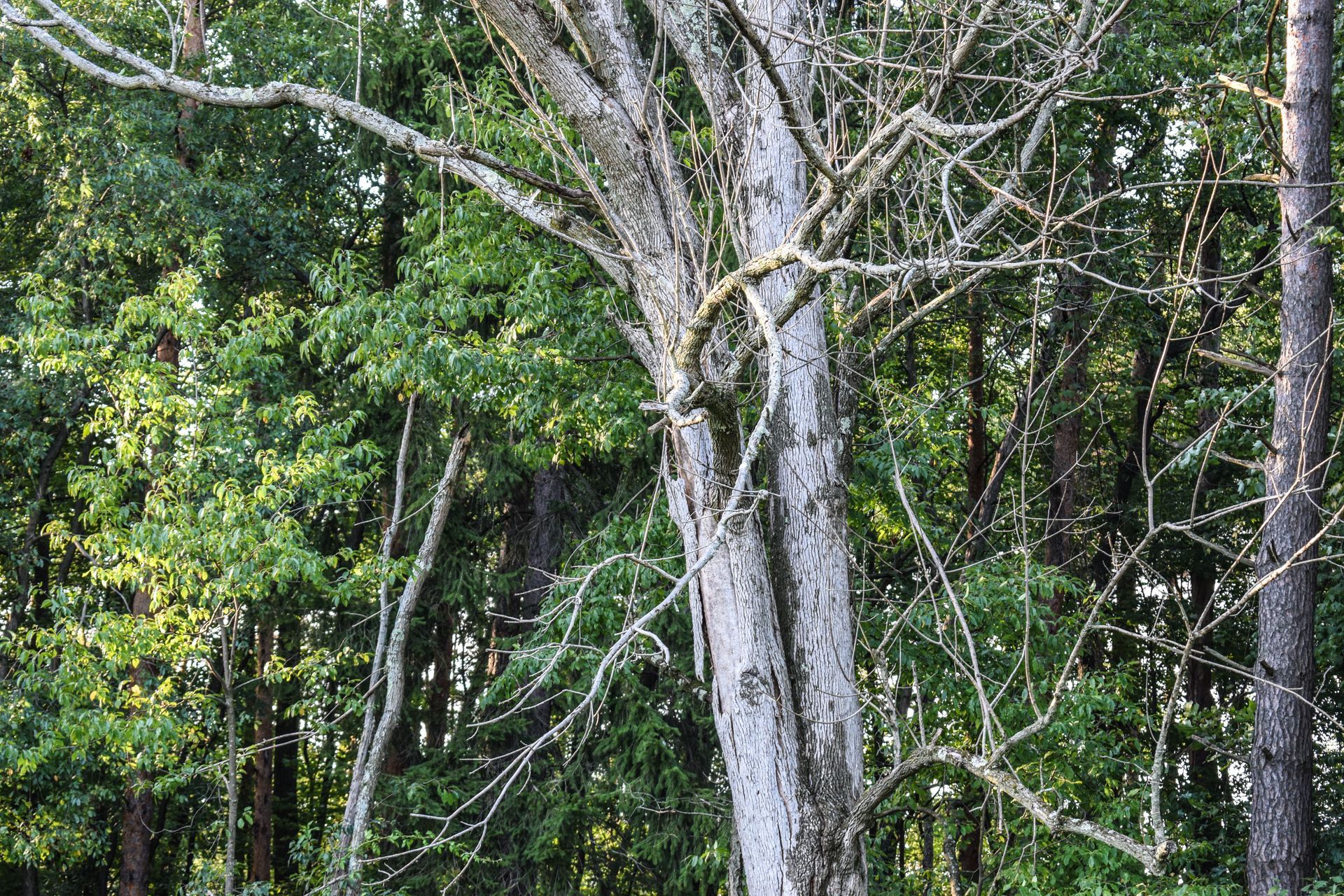
Every tree species has a natural lifespan, and aging trees inevitably decline. Signs of age-related deterioration include hollow trunks, extensive decay, thinning canopies, and reduced leaf production. These indicators suggest the tree is nearing the end of its life cycle and may no longer be structurally sound.
Trees that exceed their expected lifespan are more prone to failure, especially in urban or suburban environments where soil conditions and space are limited. As resilience decreases, the likelihood of limb drop or uprooting increases. In many cases, tree removal is the safest option once a tree reaches advanced decline.
Older trees also require more intensive maintenance, including frequent inspections, pruning, and treatments. When the cost and effort of upkeep outweigh the benefits, removal becomes a practical decision. Addressing aging trees before they fail helps prevent emergencies and supports long-term property safety.
Recognizing when tree removal is necessary is an essential part of responsible property ownership. From visible physical damage and declining health to environmental risks, aging concerns, and financial implications, the signs are often clear once you know what to look for. Addressing these issues early helps protect your home, your investment, and the people who use your property every day.
Trees enhance our communities, but when they become unsafe or unmanageable, decisive action is required. Professional evaluation ensures that decisions are based on safety, sustainability, and long-term value rather than guesswork. If you suspect a tree on your property may need attention, don't wait for the problem to escalate.
For expert assessment, safe tree removal, and dependable service, contact R&A Tree Experts Inc today. Our experienced team can help you protect your property while maintaining a healthy and well-managed landscape.